Understanding Hypertension: Symptoms, Causes, Diagnosis, and Prevention

Fri, Mar 27, 2026 |

By admin
What is Hypertension?
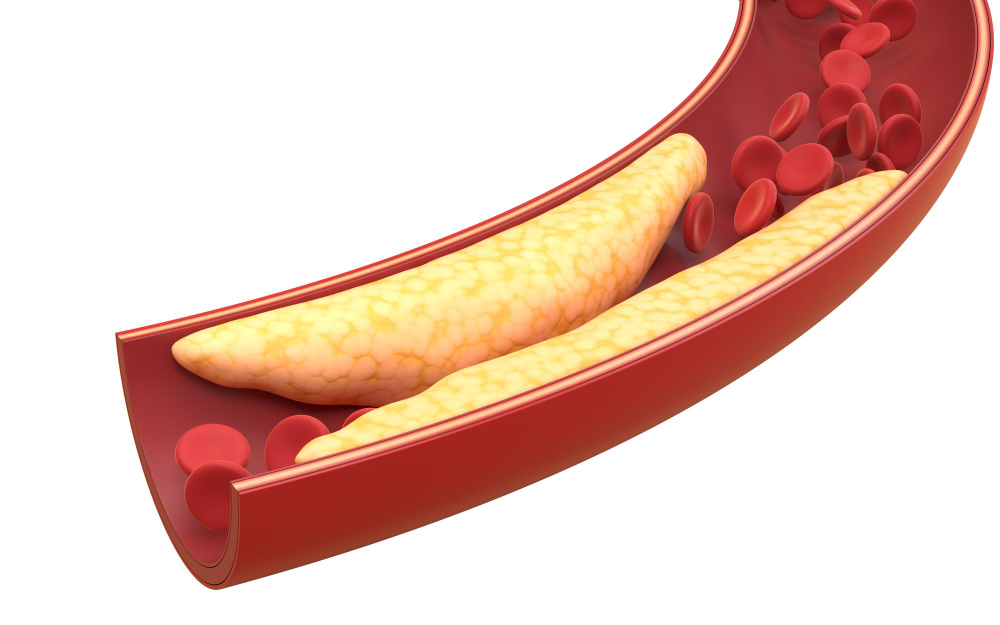
Hypertension, also called high blood pressure, is a common health problem. It happens when the force of blood against your artery walls stays high for a long time. Over time, this can harm your heart and other organs. According to the World Health Organization (WHO), hypertension affects millions of people worldwide. Because it often has no clear signs, many people do not know they have it. Early detection is important for good health.
Common Symptoms of Hypertension
Most people with hypertension do not notice any symptoms. However, some may experience warning signs, especially if blood pressure is very high. For example, you might notice:
- Headaches, especially in the morning
- Dizziness or feeling lightheaded
- Blurred vision
- Nosebleeds
- Shortness of breath
Still, many people feel fine. Because of this, regular blood pressure checks are important. If you notice any of these high blood pressure symptoms, talk to your doctor.
Causes and Risk Factors
Several things can lead to hypertension. Some causes are within your control, while others are not. For instance, age and family history play a role. But lifestyle choices matter too. Common risk factors include:
- Being overweight or obese
- Eating too much salt
- Not getting enough exercise
- Smoking or drinking alcohol
- Stress
- Chronic conditions like diabetes or kidney disease
Because some risks can be changed, healthy habits can help lower your chances of getting hypertension.
How Hypertension is Diagnosed
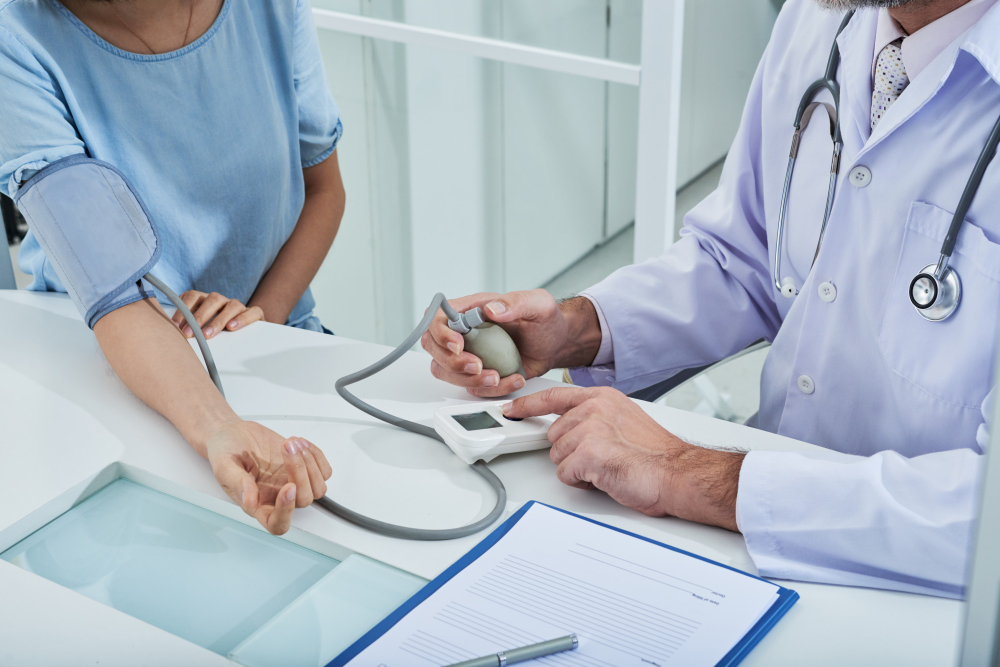
Doctors diagnose hypertension by measuring your blood pressure. Usually, they use a simple arm cuff. If your readings are high on several visits, you may have hypertension. Sometimes, doctors ask you to check your blood pressure at home. They may also order blood or urine tests to look for other health problems. Early diagnosis helps prevent serious issues like heart attack or stroke. According to the CDC, regular checks are key for early detection.
Treatment Options for Hypertension
There are many hypertension treatment options. Your doctor will choose the best plan for you. Often, treatment starts with lifestyle changes. But sometimes, medicine is needed too. Common treatments include:
- Eating a healthy, low-salt diet
- Getting regular exercise
- Losing weight if needed
- Taking prescribed blood pressure medicines
- Limiting alcohol and quitting smoking
Because every person is different, your doctor may adjust your plan over time. Always follow your doctor’s advice for the best results.
Lifestyle Tips and Prevention
There are many ways to prevent hypertension or keep it under control. For example, you can:
- Eat more fruits and vegetables
- Choose foods low in salt and fat
- Exercise for at least 30 minutes most days
- Keep a healthy weight
- Manage stress with relaxation or hobbies
- Avoid tobacco and limit alcohol
Because small changes add up, start with one or two healthy habits. Over time, you will see benefits. If you want to know how to prevent hypertension, these steps can help.
When to See a Doctor
See a doctor if you have high blood pressure readings or notice symptoms. Also, regular check-ups are important, even if you feel fine. If you have risk factors, talk to your doctor about how often to check your blood pressure. Early care can prevent serious problems. For personalized advice on managing hypertension, consult a healthcare professional at ASSURE WELLNESS CLINIC.
Featured Articles

Atherosclerosis: Causes, Symptoms, Diagnosis, Treatment, and Prevention

Understanding PCOS: Symptoms, Causes, Diagnosis, and Treatment

Understanding Hypertension: Symptoms, Causes, Diagnosis, and Prevention

Gestational Diabetes: Symptoms, Causes, Diagnosis, and Management

Comprehensive Allergy Test: What to Expect, Benefits, and How It Works

Urine Culture and Sensitivity Test: Purpose, Procedure, and Results