Atherosclerosis: Causes, Symptoms, Diagnosis, Treatment, and Prevention

Fri, Mar 27, 2026 |

By admin
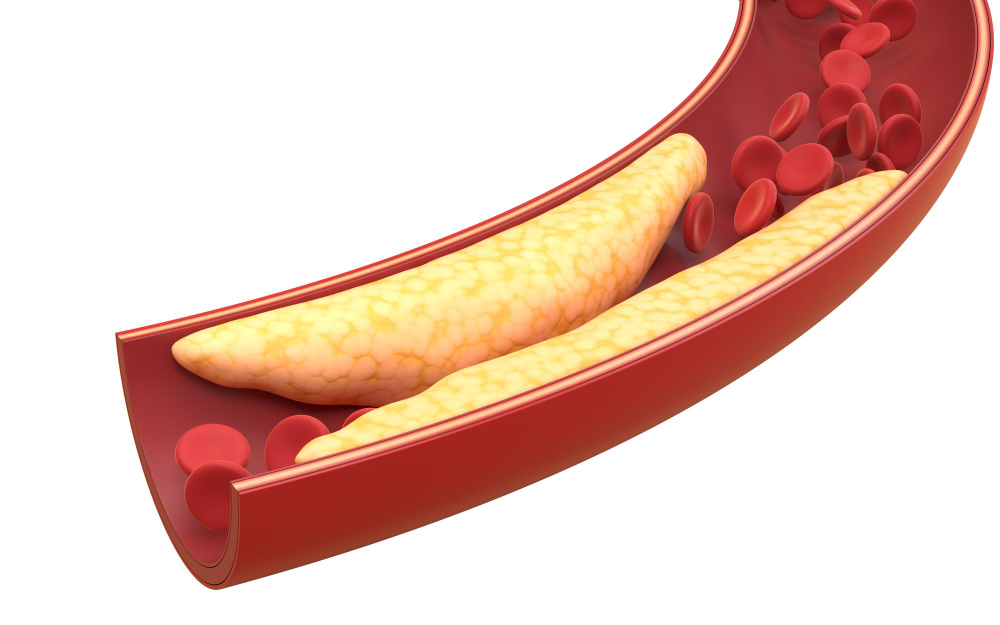
What is Atherosclerosis?
Atherosclerosis is a condition where arteries become narrow and hard. This happens because of a buildup of fat, cholesterol, and other substances. These buildups are called plaques. Over time, plaques can block blood flow. As a result, organs and tissues may not get enough oxygen. Atherosclerosis is a leading cause of heart disease and stroke. According to the CDC and WHO, it is a major health concern worldwide. Early detection and care can help prevent serious problems.
Causes and Risk Factors
Many factors can lead to atherosclerosis. Some you can control, while others you cannot. However, knowing the risks can help you take action.
- High cholesterol: Too much bad cholesterol (LDL) can form plaques.
- High blood pressure: This can damage artery walls, making plaque buildup easier.
- Smoking: Smoking harms blood vessels and speeds up plaque growth.
- Diabetes: High blood sugar can damage arteries over time.
- Obesity: Extra weight increases the risk of high cholesterol and blood pressure.
- Family history: If close relatives have heart disease, your risk is higher.
- Age: Risk increases as you get older.
- Lack of exercise: Being inactive can raise your risk.
- Unhealthy diet: Eating lots of saturated fat and sugar can lead to plaque buildup.
Because some risks can be changed, healthy choices matter. But, even if you have risk factors, you can still take steps to protect your heart.
Common Symptoms
Often, atherosclerosis develops slowly. Many people do not notice symptoms until an artery is very narrow or blocked. Still, some warning signs may appear, depending on which arteries are affected. For example, if arteries to the heart are blocked, you may feel chest pain. If arteries to the legs are affected, you may have leg pain when walking. Other possible symptoms include:
- Shortness of breath
- Weakness or numbness in arms or legs
- Confusion, if blood flow to the brain is reduced
- High blood pressure
- Fatigue
However, some people have no symptoms until a heart attack or stroke occurs. Therefore, regular checkups are important, especially if you have risk factors.
How Atherosclerosis is Diagnosed
Doctors use several tests to diagnose atherosclerosis. First, they may ask about your symptoms and health history. Next, they may check your blood pressure and cholesterol levels. In addition, they may use special tests, such as:
- Blood tests: These check cholesterol and blood sugar levels.
- Electrocardiogram (ECG): This test records your heart’s electrical activity.
- Ultrasound: This uses sound waves to look at blood flow in your arteries.
- Angiography: Doctors use dye and X-rays to see inside your arteries.
- CT or MRI scans: These images help spot blockages or thickened artery walls.
Because early detection can prevent serious problems, talk to your doctor if you have any concerns.
Treatment Options
Treatment for atherosclerosis depends on how severe it is. In many cases, doctors suggest lifestyle changes first. However, some people may also need medicine or procedures. Common treatments include:
- Healthy eating: Choose foods low in saturated fat, salt, and sugar.
- Exercise: Aim for at least 30 minutes of activity most days.
- Medicines: Doctors may prescribe drugs to lower cholesterol, blood pressure, or blood sugar.
- Quitting smoking: This can slow down plaque buildup.
- Procedures: In severe cases, doctors may use stents or surgery to open blocked arteries.
Because each person is different, your doctor will help you find the best treatment plan.
Lifestyle Tips and Prevention
Although atherosclerosis is serious, you can lower your risk with healthy habits. For example, try these tips:
- Eat more fruits, vegetables, and whole grains
- Limit foods high in fat, salt, and sugar
- Exercise regularly, even simple walks help
- Maintain a healthy weight
- Quit smoking and avoid secondhand smoke
- Manage stress with relaxation or hobbies
- Get regular checkups and follow your doctor’s advice
Because prevention is easier than treatment, small changes can make a big difference over time.
When to See a Doctor
If you notice chest pain, shortness of breath, or sudden weakness, seek medical help right away. Also, if you have risk factors for atherosclerosis, talk to your doctor about screening. Early care can prevent heart attacks and strokes. Remember, regular checkups are key to staying healthy.
In summary, atherosclerosis is a common but serious condition. However, with early detection and healthy habits, you can lower your risk. For personalized advice, consult your healthcare provider at ASSURE WELLNESS CLINIC.
Featured Articles

Atherosclerosis: Causes, Symptoms, Diagnosis, Treatment, and Prevention

Understanding PCOS: Symptoms, Causes, Diagnosis, and Treatment

Understanding Hypertension: Symptoms, Causes, Diagnosis, and Prevention

Gestational Diabetes: Symptoms, Causes, Diagnosis, and Management

Comprehensive Allergy Test: What to Expect, Benefits, and How It Works

Urine Culture and Sensitivity Test: Purpose, Procedure, and Results