Dyslipidemia: Causes, Symptoms, Diagnosis, and Treatment

Thu, May 7, 2026 |

By admin
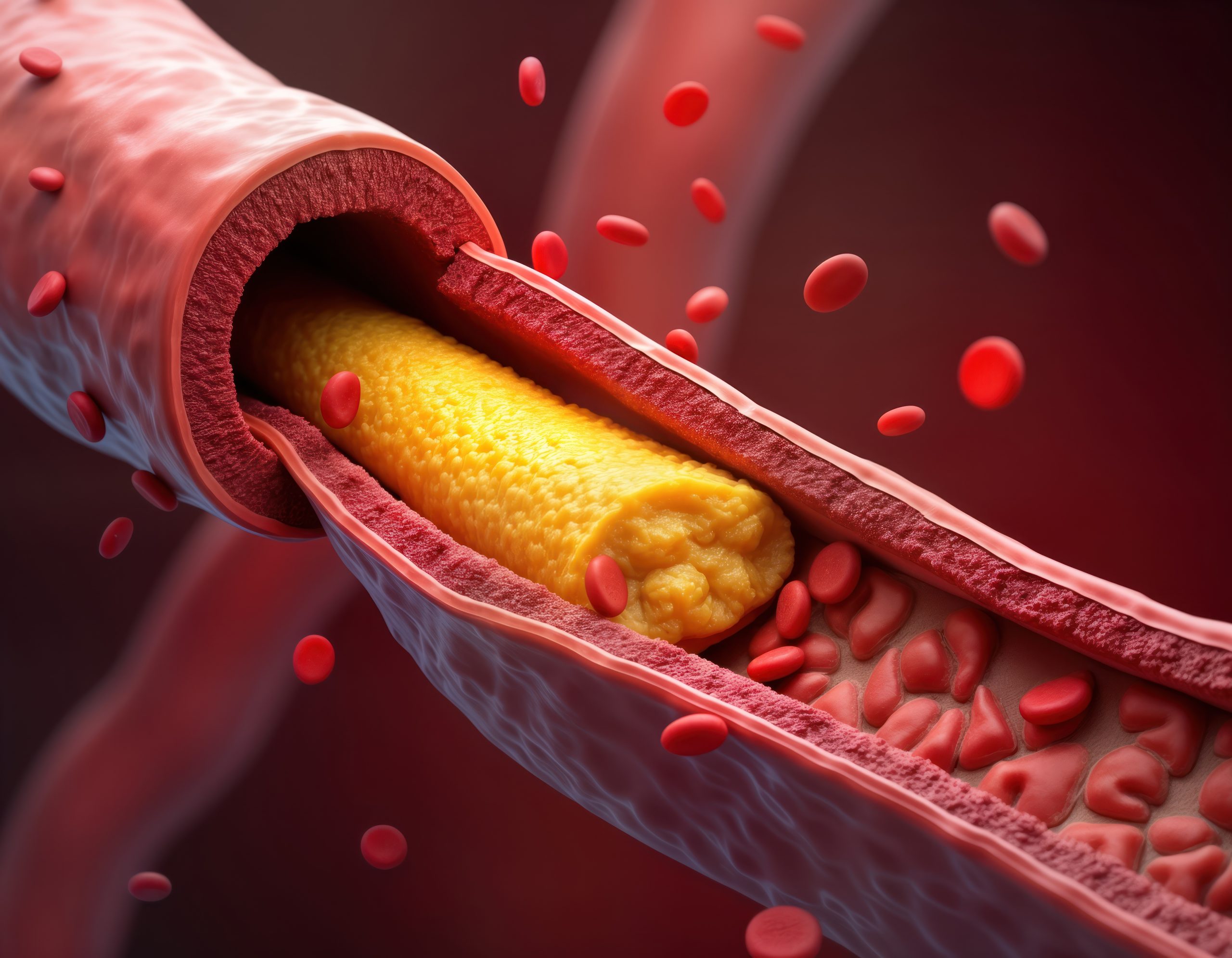
What Is Dyslipidemia?
Dyslipidemia means your blood has abnormal levels of fats, such as cholesterol or triglycerides. These fats are important for your body. However, too much or too little can cause health problems. Often, dyslipidemia has no clear signs at first. Still, it can raise your risk for heart disease and stroke. According to the World Health Organization (WHO), high cholesterol is a major cause of heart problems worldwide. For this reason, understanding dyslipidemia is important for everyone.
Common Symptoms of Dyslipidemia
Most people with dyslipidemia do not notice any symptoms. In many cases, it is found during a routine blood test. However, some people may develop signs if the condition is severe or lasts a long time. For example, you may see:
- Yellowish bumps on the skin called xanthomas
- Pain in the chest, especially during activity
- Sudden numbness or weakness, which could signal a stroke
Still, many people feel fine. Therefore, regular check-ups are important for early detection.
Main Causes and Risk Factors
Dyslipidemia can happen for many reasons. Sometimes, it runs in families. Other times, it develops due to lifestyle or health conditions. Here are some common causes and risk factors:
- Eating foods high in saturated fat or trans fat
- Lack of physical activity
- Being overweight or obese
- Smoking tobacco
- Drinking too much alcohol
- Having diabetes or thyroid problems
- Family history of high cholesterol
- Older age
Because these factors can add up, making healthy choices is important for everyone.
How Is Dyslipidemia Diagnosed?
Doctors diagnose dyslipidemia with a simple blood test called a lipid panel. This test measures your cholesterol and triglyceride levels. Usually, you need to fast for 9 to 12 hours before the test. The results show:
- Total cholesterol
- Low-density lipoprotein (LDL) or “bad” cholesterol
- High-density lipoprotein (HDL) or “good” cholesterol
- Triglycerides
After reviewing your results, your doctor will explain what they mean. If your levels are high or low, you may need more tests or treatment.
Treatment Options for Dyslipidemia
Treating dyslipidemia often starts with lifestyle changes. However, some people may also need medicine. Here are common ways to manage high cholesterol and dyslipidemia:
Lifestyle Changes
- Eat more fruits, vegetables, and whole grains
- Choose lean meats and healthy fats, like olive oil
- Exercise for at least 30 minutes most days
- Lose weight if you are overweight
- Quit smoking
- Limit alcohol intake
Medications
- Statins, which lower cholesterol
- Fibrates, which lower triglycerides
- Niacin, which can raise HDL
- Bile acid sequestrants, which help remove cholesterol
Your doctor will decide which treatment is best for you. Sometimes, a mix of lifestyle changes and medicine works best.
Prevention Tips and Healthy Lifestyle Guidance
Preventing dyslipidemia is possible for many people. Even small changes can make a big difference. For example, you can:
- Eat a balanced diet low in saturated and trans fats
- Stay active with regular exercise
- Keep a healthy weight
- Avoid smoking and limit alcohol
- Get regular health check-ups
Because prevention is easier than treatment, start healthy habits early. If you have a family history of high cholesterol, talk to your doctor about extra steps.
When to See a Doctor
It is important to see a doctor if you have risk factors for dyslipidemia. Also, if you notice any unusual symptoms, seek help right away. For example, sudden chest pain or weakness needs urgent care. Even if you feel fine, regular check-ups can catch problems early. Early treatment can help prevent serious health issues later.
Conclusion
Dyslipidemia is a common but serious condition. Although it often has no symptoms, it can lead to heart disease and stroke. Because of this, regular testing and healthy habits are key. If you have questions or concerns about dyslipidemia, consult a healthcare professional for personalized advice. Concerned about high cholesterol or abnormal lipid levels? Don’t ignore dyslipidemia.
Get expert guidance and management with Ms. Sneha at Assure Wellness Clinic.
Book your consultation today for better heart health and long-term wellness.
Featured Articles
Dyslipidemia: Causes, Symptoms, Diagnosis, and Treatment

Epilepsy: Symptoms, Causes, Diagnosis, and Treatment

Understanding Anemia: Symptoms, Causes, Diagnosis, and Treatment

Acne Vulgaris: Causes, Symptoms, Diagnosis, and Effective Treatments

Atherosclerosis: Causes, Symptoms, Diagnosis, Treatment, and Prevention

Understanding PCOS: Symptoms, Causes, Diagnosis, and Treatment