Epilepsy: Symptoms, Causes, Diagnosis, and Treatment

Thu, May 7, 2026 |

By admin
Introduction to Epilepsy
Epilepsy is a brain disorder that causes repeated seizures. These seizures happen when brain activity changes suddenly. Because of this, people with epilepsy may have different symptoms. According to the World Health Organization (WHO), epilepsy affects about 50 million people worldwide. Although anyone can develop epilepsy, it can start at any age. Living with epilepsy can be challenging, but with the right care, most people manage their symptoms well.
Symptoms of Epilepsy
Epilepsy symptoms can vary from person to person. However, most people experience seizures. Seizures are sudden bursts of electrical activity in the brain. For example, some people may stare blankly for a few seconds. Others may shake or twitch their arms and legs. In addition, some people may lose awareness during a seizure.
- Uncontrollable jerking movements
- Staring spells
- Temporary confusion
- Loss of awareness or consciousness
- Strange sensations, such as tingling or odd smells
- Sudden fear or anxiety
Because symptoms can be mild or severe, it is important to watch for any unusual changes.
Causes and Risk Factors
Doctors often cannot find a single cause for epilepsy. However, several factors may increase the risk. For instance, some people are born with changes in their brain structure. Others may develop epilepsy after a head injury. Infections, such as meningitis, can also lead to epilepsy. Additionally, family history plays a role.
- Genetic factors or family history
- Head injuries
- Brain infections (like meningitis or encephalitis)
- Stroke or brain tumors
- Problems during birth
- Developmental disorders (such as autism)
While anyone can get epilepsy, these risk factors make it more likely.
Diagnosis Methods
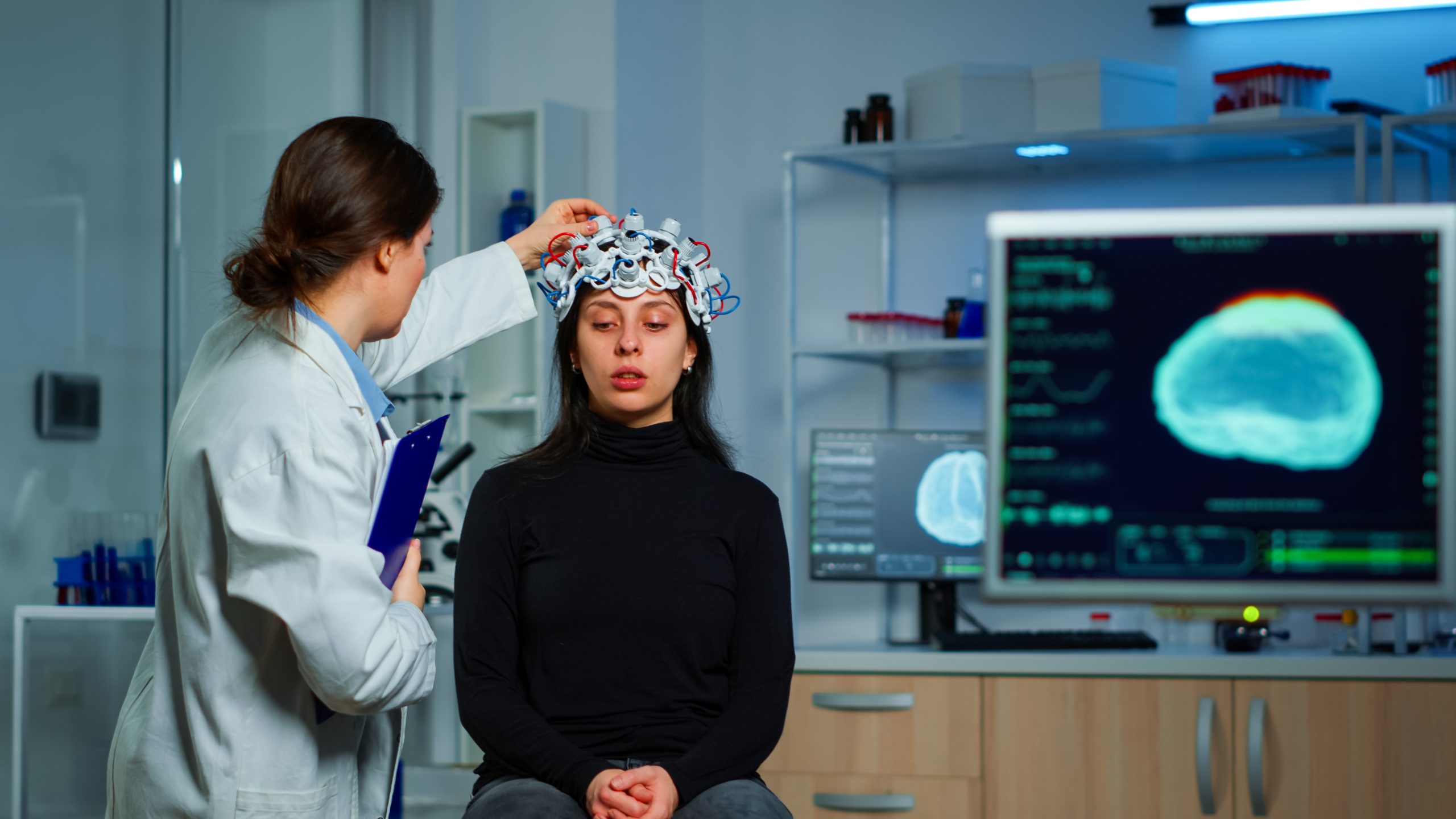
Doctors use several tests to diagnose epilepsy. First, they ask about your medical history and symptoms. Next, they may order tests to check your brain activity. For example, an electroencephalogram (EEG) records electrical signals in the brain. In addition, doctors may use brain scans, such as MRI or CT scans, to look for changes in brain structure.
- Medical history and symptom review
- Electroencephalogram (EEG)
- Magnetic resonance imaging (MRI)
- Computed tomography (CT) scan
- Blood tests to rule out other conditions
If you wonder, “How is epilepsy diagnosed?” these are the main steps doctors follow.
Treatment Options
Treatment for epilepsy aims to control seizures. Most people start with medicine called anti-seizure drugs. These medicines help prevent seizures for many people. Sometimes, doctors may suggest other treatments if medicine does not work. For example, surgery can remove the part of the brain causing seizures. In some cases, doctors use devices that send signals to the brain to stop seizures.
- Anti-seizure medications
- Surgery to remove seizure-causing brain areas
- Vagus nerve stimulation (a device placed under the skin)
- Ketogenic diet (a special high-fat, low-carb diet)
- Responsive neurostimulation (a device that detects and stops seizures)
Because each person is different, doctors choose the best treatment based on your needs.
Lifestyle Tips for Living with Epilepsy
Living with epilepsy can be easier with some simple changes. For instance, taking medicine at the same time every day helps control seizures. In addition, getting enough sleep and reducing stress are important. You can also keep a seizure diary to track your symptoms. This helps your doctor adjust your treatment if needed.
- Take medicine as prescribed
- Get regular sleep
- Avoid triggers like flashing lights or stress
- Eat a balanced diet
- Stay active, but choose safe activities
- Wear a medical alert bracelet
With these tips, living with epilepsy becomes more manageable.
Prevention and Safety Measures
Although you cannot always prevent epilepsy, you can lower your risk. For example, wearing a helmet during sports helps prevent head injuries. In addition, treating infections quickly can protect your brain. If you have epilepsy, safety at home and work is important. For instance, avoid swimming alone and use safety gates near stairs.
- Wear helmets during sports or biking
- Use seat belts in cars
- Treat infections early
- Install safety devices at home
- Supervise children during risky activities
Because safety is key, these steps help prevent injuries during seizures.
When to Seek Medical Help
It is important to know when to get help. If you or someone you know has a seizure for the first time, call a doctor right away. Also, seek help if seizures last longer than five minutes. If a person does not wake up after a seizure, call emergency services. In addition, talk to your doctor if you notice new or changing symptoms.
- First-time seizure
- Seizure lasting over five minutes
- Repeated seizures without recovery
- Trouble breathing or injury during a seizure
- New or worsening symptoms
Early medical care can prevent serious problems and improve outcomes.
If you or someone you know experiences symptoms of epilepsy, consult a healthcare professional for personalized advice. Experiencing seizures or unusual episodes? Don’t ignore the signs.
Get expert evaluation and care with Ms. Sneha at Assure Wellness Clinic.
Book your consultation today for the right diagnosis and support.
Featured Articles

Dyslipidemia: Causes, Symptoms, Diagnosis, and Treatment

Epilepsy: Symptoms, Causes, Diagnosis, and Treatment

Understanding Anemia: Symptoms, Causes, Diagnosis, and Treatment

Acne Vulgaris: Causes, Symptoms, Diagnosis, and Effective Treatments

Atherosclerosis: Causes, Symptoms, Diagnosis, Treatment, and Prevention

Understanding PCOS: Symptoms, Causes, Diagnosis, and Treatment