Understanding Anemia: Symptoms, Causes, Diagnosis, and Treatment

Thu, Apr 23, 2026 |

By admin
What is Anemia?
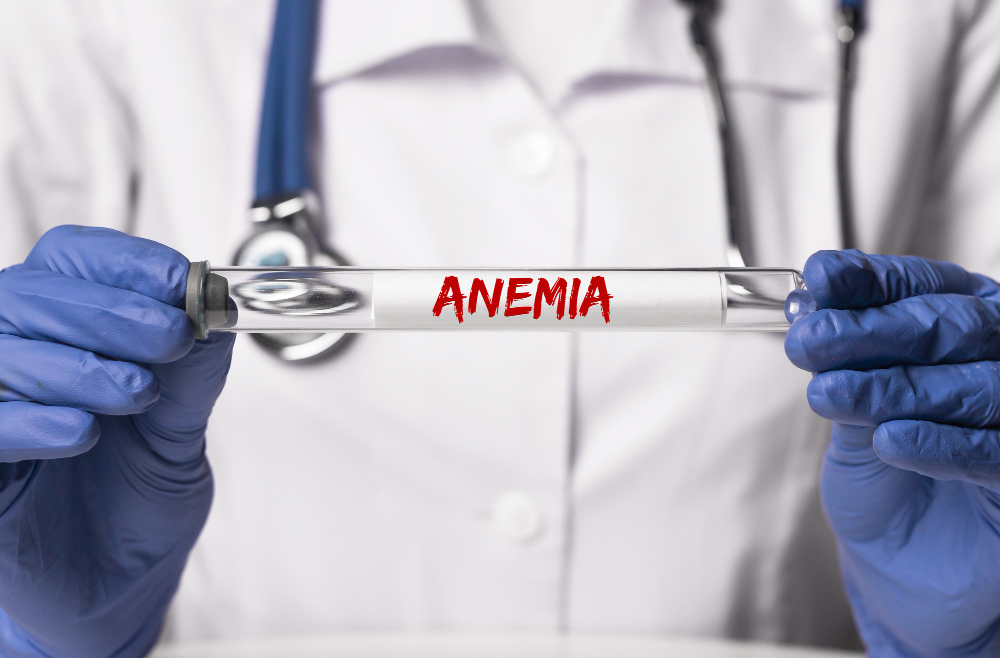
Anemia is a common blood condition. It happens when your body does not have enough healthy red blood cells. These cells carry oxygen to your organs and tissues. Because of this, anemia can make you feel tired or weak. According to the World Health Organization (WHO), anemia affects people of all ages. However, it is most common in women and young children. There are different types of anemia, but iron deficiency anemia is the most common.
Common Symptoms of Anemia
Many people with anemia notice changes in how they feel. Sometimes, symptoms are mild at first. But as anemia gets worse, you may notice more signs. For example, you might feel:
- Fatigue or weakness
- Pale or yellowish skin
- Shortness of breath
- Dizziness or lightheadedness
- Cold hands and feet
- Chest pain or a fast heartbeat
- Headaches
Not everyone has all these symptoms. Still, if you notice any of them, it is important to talk to your doctor.
Causes and Risk Factors of Anemia
Anemia can have many causes. Often, it happens because your body does not make enough red blood cells. Sometimes, your body loses blood or destroys red blood cells too quickly. Here are some common causes:
- Low iron in your diet
- Blood loss from injury, surgery, or heavy periods
- Chronic diseases like kidney disease or cancer
- Vitamin B12 or folic acid deficiency
- Inherited conditions, such as sickle cell anemia
Some people have a higher risk of anemia. For instance, women, young children, older adults, and people with chronic illnesses are more likely to develop anemia. In addition, pregnancy can increase the risk due to higher iron needs.
How Anemia is Diagnosed
Doctors use simple blood tests to check for anemia. First, they may order a complete blood count (CBC). This test measures your red blood cells and hemoglobin levels. If these numbers are low, you may have anemia. Next, your doctor may check your iron, vitamin B12, and folic acid levels. Sometimes, more tests are needed to find the exact cause. For example, your doctor may ask about your diet, family history, or any recent blood loss.
Treatment Options for Anemia
Treatment for anemia depends on the cause. Often, doctors recommend:
- Iron supplements or iron-rich foods
- Vitamin B12 or folic acid supplements
- Medicines to treat underlying health problems
- Blood transfusions in severe cases
For example, if anemia is due to blood loss, treating the source of bleeding is important. Your doctor will create a plan that fits your needs. Always follow your doctor’s advice and take medicines as directed.
Lifestyle Tips and Prevention
There are simple steps you can take to help prevent anemia. For instance, you can:
- Eat a balanced diet with iron-rich foods like lean meats, beans, and leafy greens
- Include foods high in vitamin C, which helps your body absorb iron
- Take prenatal vitamins if you are pregnant
- Limit tea and coffee with meals, as they can lower iron absorption
- Get regular check-ups, especially if you have risk factors
By making these changes, you can lower your risk of anemia. However, some types of anemia cannot be prevented. In those cases, early diagnosis and treatment are key.
When to See a Doctor
If you notice symptoms like tiredness, pale skin, or shortness of breath, see your doctor. Early treatment can help prevent problems. In addition, if you have a family history of anemia or other blood disorders, regular check-ups are important. Always seek medical help if your symptoms get worse or if you feel very weak or dizzy.
In summary, anemia is a common but treatable condition. With the right care, most people can manage their symptoms and lead healthy lives. Consult a healthcare professional at ASSURE WELLNESS CLINIC for personalized advice about anemia.
Featured Articles
Dyslipidemia: Causes, Symptoms, Diagnosis, and Treatment

Epilepsy: Symptoms, Causes, Diagnosis, and Treatment
Understanding Anemia: Symptoms, Causes, Diagnosis, and Treatment

Acne Vulgaris: Causes, Symptoms, Diagnosis, and Effective Treatments

Atherosclerosis: Causes, Symptoms, Diagnosis, Treatment, and Prevention

Understanding PCOS: Symptoms, Causes, Diagnosis, and Treatment