Acne Vulgaris: Causes, Symptoms, Diagnosis, and Effective Treatments

Thu, Apr 23, 2026 |

By admin
What is Acne Vulgaris?
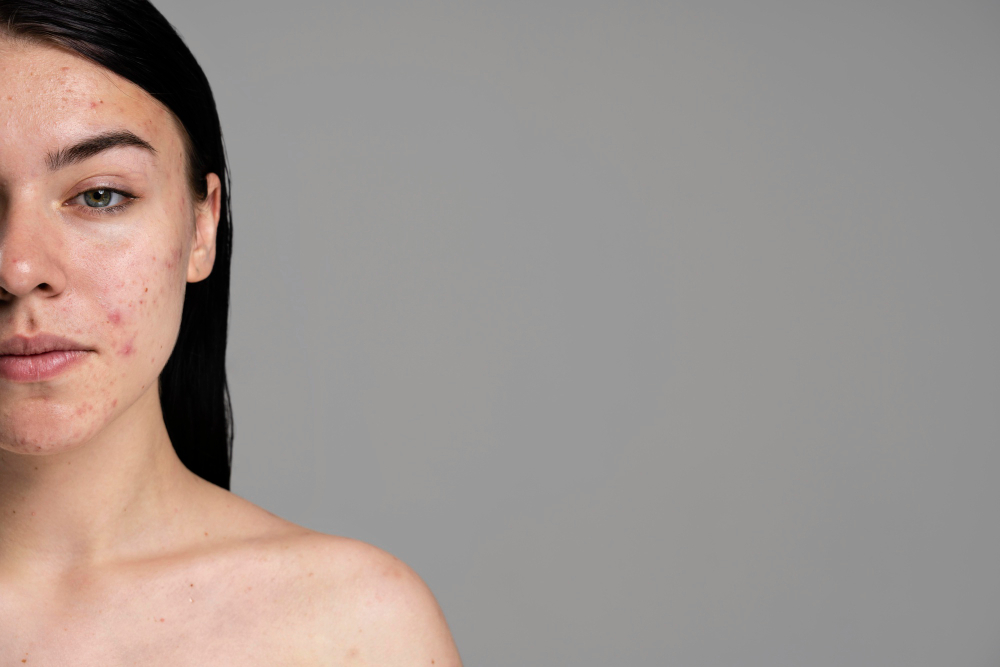
Acne vulgaris is a common skin problem. It causes pimples, blackheads, and whiteheads. Many teenagers and adults get acne vulgaris. However, it can affect people of all ages. This condition often appears on the face, chest, back, and shoulders. Although acne is not dangerous, it can cause stress and leave scars. According to the World Health Organization (WHO), acne vulgaris is one of the most common skin conditions worldwide.
Common Symptoms of Acne Vulgaris
Acne vulgaris shows up in different ways. Some people have mild symptoms, while others have more severe breakouts. For example, you may notice:
- Whiteheads (small bumps with a white center)
- Blackheads (dark spots on the skin)
- Pimples (red, tender bumps)
- Pustules (pimples with pus)
- Nodules (large, painful lumps under the skin)
- Cysts (deep, pus-filled lumps)
Sometimes, acne can cause pain or itching. In severe cases, it may leave scars or dark spots. But early treatment can help prevent these problems.
Causes and Risk Factors
Acne vulgaris develops when hair follicles get clogged. Oil, dead skin cells, and bacteria block the pores. As a result, pimples and other acne symptoms appear. Several factors can increase your risk of acne:
- Hormonal changes (such as during puberty or pregnancy)
- Family history of acne
- Using oily or greasy skin products
- Stress, which can make acne worse
- Certain medicines, like steroids
- High humidity or sweating
Additionally, eating certain foods may trigger breakouts in some people. However, research is still ongoing about the link between diet and acne.
How Acne Vulgaris is Diagnosed
Doctors usually diagnose acne vulgaris by looking at your skin. They check the type and number of spots. Sometimes, they ask about your medical history or family history. In rare cases, your doctor may suggest blood tests to rule out other problems. But most of the time, no special tests are needed. Early diagnosis helps start the right acne treatment options.
Effective Treatment Options
There are many ways to treat acne vulgaris. The best acne treatment options depend on how severe your acne is. For mild cases, over-the-counter creams or gels may help. These often contain ingredients like benzoyl peroxide or salicylic acid. For more severe acne, your doctor may suggest:
- Prescription creams or gels (such as retinoids)
- Oral antibiotics to reduce bacteria and swelling
- Hormone therapy for women (like birth control pills)
- Isotretinoin for severe or stubborn acne
- Light or laser therapy in some cases
Sometimes, your doctor may combine treatments for better results. According to the Centers for Disease Control and Prevention (CDC), following your treatment plan is important for clear skin.
Lifestyle Tips and Prevention
While you cannot always prevent acne vulgaris, some habits can help reduce breakouts. For example, you can:
- Wash your face gently twice a day
- Avoid picking or squeezing pimples
- Use non-comedogenic (non-pore-clogging) skin products
- Keep hair clean and away from your face
- Shower after sweating or exercise
- Eat a balanced diet and drink plenty of water
- Manage stress with relaxation techniques
Moreover, if you notice new acne symptoms and causes, talk to your doctor. Early care can prevent scarring and boost your confidence.
When to See a Doctor
Sometimes, home care is not enough. You should see a doctor if:
- Your acne is painful or severe
- You notice scars or dark spots
- Over-the-counter treatments do not help
- You feel sad or embarrassed about your skin
In these cases, a healthcare professional can suggest stronger acne treatment options. They can also check for other skin problems.
In summary, acne vulgaris is common but treatable. Many people find relief with the right care. Consult a healthcare professional at ASSURE WELLNESS CLINIC for personalized advice on managing acne vulgaris.
Featured Articles
Dyslipidemia: Causes, Symptoms, Diagnosis, and Treatment

Epilepsy: Symptoms, Causes, Diagnosis, and Treatment

Understanding Anemia: Symptoms, Causes, Diagnosis, and Treatment

Acne Vulgaris: Causes, Symptoms, Diagnosis, and Effective Treatments

Atherosclerosis: Causes, Symptoms, Diagnosis, Treatment, and Prevention

Understanding PCOS: Symptoms, Causes, Diagnosis, and Treatment